Monday, 26 February 2018

The Hunted - our website


The Hunted Interactive Film Website

Here's the link to our website:
https://thehuntedwkc.wixsite.com/mysite

We decided to choose this design for our website because we thought that the colour scheme would match well with the chosen interactive film genre - dark blues and blacks. 
We've also included information with bold and wide text to talk about what our film is about... The layout we have used is quite a basic, spaced out design so it doesn't look too cramped and miss matched. This is because if we decided to choose a layout with too much going on, it wouldn't be very enjoyable to look at and read. By doing this, we have chosen a layout that is easier to read.


The pages that are on our website, are the home page, trailer, synopsis, gallery, share and the cast. On the page on the home page, is just an explanation of the synopsis of what our interactive film is going to be about, we haven't included our information on the gallery and trailer page as this wasn't really needed, on the share page, we've added our 5 social media links like: Facebook, Google+, Twitter, Instagram and YouTube. Lastly, we've added a page about the cast and who's written the interactive film and the website. This will be followed along with our self-portraits of ourselves and a short explanation of ourselves as well. 


Wednesday, 7 February 2018

Choosing Our Own Adventure


The reason why we are choosing that selected adventure, is because it shows more tension and gives us the impression that it is the most interesting when we further read... sometimes we will choose the safer option other than the most dangerous option. Overall, we would choose what we would think are the most correct option to unfold the story as possible - this can be by choosing the safer and easier option that they give.
The option of this was that we would either go with the police or with your own friends. We chose to go with our friends as we felt that our loyalties laid with them and would be the better option. However, another member of our group decided to go with the police, which made all of us doubt each other to what we wanted to go with.

Some of the time, the other members in the group will decide to go with another option other than the option that you're going to choose. They may disagree with you because some of the time, you would want to choose a simpler and easier option and the others may want to go further into the story with an unsafer choice.

I am relating these questions with the interactive video of 'The Knife' that we watched a couple of weeks ago to get inspiration and ideas for our own interactive video for our production 'The Hunted'. 

Are the stories more complicated than standard stories - or are the variations just superficial?
The stories are both the same but instead of having your story already chosen for you, you have the option to make your own decisions by choosing from 3 max options.

If you have too much choice - can it really still be a story? 
Yes, a story is a story. It doesn't matter how many choices you have, you are still creating an ending to a story. Within 'The Knife' interactive video, it gave 3 options to choose from. By doing this, it may give many different endings from either positive or negative.

How do these choices affect you understanding of characters and their psychology? 
Depending on what choices you choose, you will have different views against each individual character. This is because, depending on what choice you choose, it may bring some actions that either a character may take which will cause you to have either a positive or negative view towards them. This will also reflect back onto 'The Knife' interactive video as it gave options that would create conflict between both parties that were included within the film or choices where it would lead you to walk away from the certain situations.


Tuesday, 6 February 2018

Website Photo


SEO Points


3 ways to rank number 1. on Google


  • Focus on content
  • Optimise your title tag and write a description - Google tracks on who's clicking on what listing and you have to include the key word in your title and your description. If it doesn't flow in a sentence its not going to be easy and won't be appealing. 
  • Use Google search console - it gives you a tool in how you will rank number 1 on google. If you're not already a member, then sign up! it's free... give it a few days because it takes time to populate data. shows you which articles is giving you engagement. shows how many people are seeing your listing and clicking through, and who skips past your listing. Shows: engagement, clicks and the clicks through rate. 
-  Most of your pages will get less than 5% click through rate
-  Take the keywords you get impressions for and add to copy 
-  It has to flow naturally
-  If it has too many keywords then people will bounce off your page

Written Report - IT the trailer


IT TRAILER

Written Report

IT the trailer has given me inspiration to write about the trailer in many ways like: sound and dialogue.
The sound effects that is used in the IT trailer were jump scares, creaking noises, loud and dramatic bangs and tension rising disasters when something bad happens, an extravagant noise occurs...
Furthermore, the dialogue that is used within the film trailer of IT, is that there are many negative and sudden events that happen throughout the storyline

Wednesday, 31 January 2018

Genres


  • What genre would you classify your film as? Horror/Action
  • Think of three other examples from the same genre: IT, Get Out and Annabelle. These three movies link within each other because they all have a character that is wanting too kill people and turn against them. Furthermore, our film links to these other three films because we include different segments like: an unknown character that is wanting to murder a group of us (IT's story also follows along like ours).
  • List all of the things that they have in common - character types, story events, settings, etc: our film has character types in general like we include just one main character that is looking to murder us and looking to cause disruption, they also include the same story events as they all follow a storyline then all get's changed and sorted at the end, they have the same settings as they include a dark and morbid atmosphere to cause tension for the audience. 
  • How many of these elements appear in your own story? quite a few of these different elements lay within each segment of scenes. This is because all stories are following a horror based story to them... 
  • What elements are unique to your story? Our film is unique to the other films because it is filmed as first person, interactive and we included things that we enjoy seeing and having in a film.
  • Why do media producers use genres? music producers use genre so they can just focus on one main storyline.
  • How do we as audiences use genres? we have our own favourites and include them all into one to make our storyline to our film. 
  • Who is the target audience for your film? How will your use of genre appeal to them? 15-18 years old and we will use our genre to appeal that kind of age group by including tension, mixed emotion and crime. Where segments will become upbeat and will encourage the audience members to watch it. 

Monday, 29 January 2018

SEO Considerations


SEO Consideration

The main things that matter within an SEO Consideration are:

  • Words Matter (search engines account for every word on the web. This way if someone is wanting a repair on something, all they can do is write it on the search engine and will come up with the listings of these things via from just those certain key words that you write in)
  • Titles Matter (each page on the web has an official title but you may not always see it as it's in the code. Search engines pay a lot of attention in page titles as they often summarise the page like a books title)
  • Links Matter (when one web page links to another, it's usually a recommendation telling that this site then has good information. A web page has different links coming to it that look good to different search engines. 

How will we use it? we will use it by including each aspect to our own made website by adding clickable titles at the top of the page: gallery, share, cast, home and synopsis. We've also added social media logos that when you click on it, it will direct you automatically to the website for each thing- this is instead of writing both individual search engine links into the bar and finding it, this is an easier and better way... 

Thursday, 25 January 2018

Hotspot


What I did to achieve this:

- I firstly decided what image I wanted to be viewed as people first look at it (as you can see above, I've chosen a festival/concert)
- I then had to choose what I wanted on my first Hotspot, so by doing this I decided to firstly attach a video onto it. I was then needed too upload an MP4 video file which was an artist during his concert. I had to convert the MP4 video to a webm format by using a source converter called Miro. Furthermore, I had to create this interactive video by using WordPress as I selected H5P Content and Add New from the album menu. Then select the Create option for H5P and choose Interactive video from the list of Content types. My next step was to edit this Interactive video. Therefore, I had to focus on the top part of the editor, which was located above the Common fields header. In simpler terms, the Interactive video content types consisted of three tabs: Upload video, Add interactions and Summary task. Lastly, after completing the edit for the Interactive video, you was then needed to upload this file so it was viewable to watch as your first hotspot.


Title: -> BerriesAuthor: Fred Rune RahmSource: https://vimeo.com/15132262License: Attribution-ShareAlike

This is where you could then add your interactions.


We use the toolbar above the video clip to add interactions


Monday, 22 January 2018

Task 4 - The Hunted


Target audience.


  • What content is the target audience looking for?
Our target audience for our film is going to range from around 14-18 year olds, with also an age rating from 15. We chose this age range because we thought that it would cover most ages in this generation in who would watch our film. This age group will be looking for: drama, entertainment and crime.

  • What type of content do they tend to view and share? 
We will include a short brief introduction of what our film is going to be about. This may be displayed as a short trailer of our film, pictures showing each individual film scene or just in text. 

  • What questions are they asking? 
The audience may ask questions like: the viewing times of the film, prices, what it's about, who's the cast and crew and when is the release date. 


  • What channel are we using to advertise The Hunted?
We are using Instagram to publish our information, videos and pictures to show what our film is about and based on. 


Monday, 15 January 2018

Evaluate your findings from Tasks 1 and 2 - Task 3


https://www.lifewire.com/top-social-networking-sites-people-are-using-3486554


Social media platforms like Twitter, Instagram, Snapchat, Facebook and YouTube are used by audiences to create engagement with other people and the majority of why audiences use social media is to keep in contact with others via interacting with others. Furthermore, social media site: Facebook is used to share photos and videos that are either posted by you individually or from other people. Twitter is used to tweet status' and sometimes photos. Instagram is used to post memories like videos and photos onto your account to share with your followers, Snapchat is used too snap videos or photos to your story that your friends can see or you can just send personally. You can also view different filters or effects that can be added to your snaps, along with text if needed. Lastly, YouTube offers free viewings to YouTuber's videos with also a subscribe button to give you daily notifications to of when they post to their channel.


Social Media Audit - Task 2


Relationship between audio and picture in chosen productions

TV Clip - Celebrity Big Brother
Film Clip - Toy Story


  • Why is soundtrack important for tv/film productions? Find a quote from a famous filmmaker on this topic.
  • Please organise your work into paragraphs 
  • I have highlighted your paragraph on music as an example of where you need to improve your work here. Rewrite this paragraph, start by describing the music in CBB. Why does the music suit the show? Does it put the audience into a particular mood (set emotional tenor)? Then do same for Toy Story.

The relationship between the audio and picture in these productions is that in film, they use a different working environment to film in compared to someone that was filming the broadcast audio for television - they both use different sound ranges between the both, what I mean by this is that audio is completely different in television than in a film. In a film clip, it may pick up certain sound effects that you would be able to hear than if you would watch a television clip and wouldn’t be able to hear. Explain what diegetic sound is first. For example, diegetic sound is used mainly in more of a film clip, this is because if it was placed into an action film, like when guns were either fired or a character had got shot, it would create a much louder and full effect sound than it would normally. This would be made so it can sound more dramatic than normal and gets you into the action more. In my chosen film clip, Toy Story. They use diegetic sound when either the most important parts and scenes come up or an action that needs to be pointed out and noticed more. However, in my chosen tv clip, Celebrity Big Brother, they wouldn’t include a diegetic sound during filming because it wouldn’t be needed, especially if the programme was LIVE because otherwise it wouldn’t be possible as it would be if it was a film production. Furthermore, in non diegetic sound within film and tv productions, it is both used differently again. This is because in film, non diegetic sound is sometimes used in films. Refer to an example in your chosen film i.e. musical score. But, in Toy Story an narrator’s commentary doesn’t come into place within the film as it wouldn’t work properly. However, if a film did use a narrator’s commentary, it’s only when a character is thinking their thoughts in their mind so only them and the viewers can hear it. This is called non diegetic sound. Other than that, there is more options in non diegetic sound being used for tv programmes, like a narrator’s commentary as it would fall into place better. This is used sometimes in Celebrity Big Brother but is seen common in tv programmes like Come Dine With Me, Planet Earth and You’ve Been Framed. There are a lot more tv programmes that have a narrator’s commentary in it but these are the 3 that are most common and have more of a non diegetic sound to them. Furthermore, music will come into it via film and tv programmes as personally I would say that they both use music in the same way and overall I would consider that they both don’t use music as much as they would than other things that had been listed as sometimes it may not be applicable. Although both TV and film programmes do use a range of natural and hyper-real imagery within each clip. What I mean by this is that tv programmes use a lot more hyper-real scenes for the audiences viewing pleasure. A film is a bit different when it comes to exaggeration in comparison to reality as a film sticks to a storyline and nothing can’t come out of place, depending on what it is based on - e.g. ‘the characters are hyper-real rather than naturalistic’. Lastly, audio post processing is the process of creating the soundtrack for moving images. Ever since the once silent movies developed, a prerecorded track, filmmakers have been looking to control and improve the quality of the sound of their videos. This would compare with the relationship between tv programmes as audio post processing was originally “live”, like the visual program it was part of. As tv evolved and grew to include “videotaped” and “filmed” programming, its need for audio post increased. Audio post processing would work better with both dim and tv programmes, as this was because they both would include with foley mixing and editing, production dialogue editing (tv) and music composition. Adding onto this, the relationship of picture between film and tv is not a lot of difference. The main difference between it all, is that during tv productions, they use more than 1 camera to film, they use a different use of camera shots and angles. However, during the process of picture in film, it is slightly different. This is because the majority in film making only uses 2 cameras max to film as they shot and film each individual scene separately and run it over and over again until they get it spot on. This is different with tv productions as most of them are run “live”. 

Dialogue - Celebrity Big Brother (throughout show)

During the show of Celebrity Big Brother, the producers use dialogue throughout the whole of the programme, it isn't really split up between each scene. What I mean about this is that they include smooth edits during transformation and also includes characterisation. This is when an actor creates a role of a character by using their own skills that they add within their acting. Furthermore, the dialogue is different between tv programmes and films. Personally, I would say that the volume of speak between both things is that it is more laid back with tv programmes than film shows.


Tuesday, 9 January 2018

Website Research


Weebly - https://emilygeorgewkc.weebly.com

In my opinion I thought that Wix was harder because it was quite complicated in choosing the correct templates.


Jumanji 360

  • When you first enter the site, you come to a landing page. This is where it shows the title of 'Jamanji 360'
  • Next, you will then come to the homepage with the poster of the video game. This is where it displays animated features.
  • It will then show what the film is all about, with viewings of the cast and crew by displaying their names and role for the film. This will give you a brief explanation in what characters are in the film and what they are there for.
  • The way that the website uses their images, is by adding still photographs from the film and using a different way to format it. They make out the images are presented on a tv screen as if you were watching the actual film. 
  • Sony includes a short trailer of the film as a whole on their website, by advertising what the film is all about. They also include background music and people talking to make it seem so real... 
  • Furthermore, on the website, there is a 360 Treehouse that is virtual for viewers to use and to work their way around the treehouse by finding the 6 missing objects - this is known as an interactive game.
  • Lastly, there are social media links on their website that you can then go and visit to follow the lastest news about the film, following from: Twitter, Facebook and Instagram. 


Get Out!
  • When you first enter the homepage of the website, you will come to a massive screen with a background of the film trailer. Followed along with the title 'Get Out'. It will then show you who the writer was and when it is in cinemas. 
  • Next, you will then be able to come to a tab advertising to get tickets. This is where it shows you the availability of tickets and what cinemas are showing the film. You also have the option to save the dates to your calendar.
  • On the website you will also have a tab saying 'synopsis'. This is where it gives you a brief introduction of what the film is all about so you know before purchasing any tickets. 
  • Next to that will be a trailer of the film and during the trailer, is snip-its of the main characters and who plays them.
  • The website also uses social media platforms to promote their film further with sites like Google+, Facebook, Twitter and use the hashtag #GETOUT. 

Image result for dunkirk

Dunkirk

  • When you first enter the website, it takes you to a landing page where it displays a loading percentage and once that's downloaded, it takes you straight to a trailer of the film.
  • Once you close that trailer, it will give you different tabs to click on. The first one it comes too is, to give you an option to watch the trailers and to view the whole official soundtrack.
  • Next, it gives you the option to play the Dunkirk Experience game. The next option that you can go too on the website is to view different film trailers from other films like the Greatness Showman. 
  • Next, you can go to the link that will take you to the Amazon website to purchase the film instead of going to the cinema.
  • Lastly, you are able to order the tickets from the official website.

Image result for wonder woman 2017


Wonder Woman

  • When you first enter the site, it shows you the whole trailer of the film to let you get to understand what the film is all about.
  • Next, at the top right hand corner is tabs that you are able to click on. The first one takes you to the characters that are in the film, where it shows you who the characters are and what they're called. 
  • They offer comic and graphic novels. This is where you are able to purchase the comics from Wonder Woman from prices ranging from around £4.00
  • The other one offers the chance to view the movies that are produced by the company 'DC' that wrote Wonder Woman. 
  • Lastly along that column, is the news page that covers all the social media sites of the latest news about the movies and what's new. 
  • You also have the option to follow them on social media platform: Tumblr. 
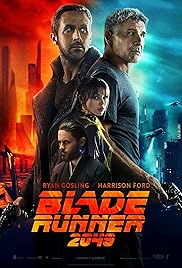
Image result for blade runner 2049

Blade Runner 2049

  • When you first enter the site, you will see a landing site that gives you the option to watch the trailer of Blade Runner.
  • As you scroll down, you are able to read the story of Blade Runner 2049 and to get to know the story line of it all and who wrote the film.
  • Next to that you are able to buy the tickets to go and see Blade Runner 2049 with digital sites like Amazon, Google Play and iTunes to purchase them from. 
  • Furthermore, you can view the gallery of the film with still images, videos and gifs taken from the film itself. 
  • Lastly, you can follow them on Tumblr as well and view the dashboard. 
Image result for lady bird

Lady Bird

  • Their official website to this film is social media platform, Facebook. As you first enter the page, you will see a background picture of 'Universal'. 
  • You can then go and share their Facebook page to promote the film and to link their page too.
  • You are able to watch videos that are from the film and too comment underneath them too.
  • Reviews are added on the page as well to see what people think about the film to share your on thoughts and opinions. 
Image result for logan


Logan

  • When you first enter the website, you see the landing page that displays you clips from the film as the background image, with bold fonts to create the title as 'LOGAN'. Underneath this you are able to buy tickets in a bright red noticeable box.
  • It will then show you how to get these tickets by typing in your address and it will then give you the best available tickets from your area and where they are showing it. 
  • There are many short clip trailers on the website from YouTube that are taken from the film individually. 
  • They also include what the film is about under the 'about' column followed along with who directed the film and who it was directed by. 
  • Lastly, there are social media sites that you can go onto like Facebook, Twitter, Instagram, YouTube and Google+ to then go and follow the latest on the film. 
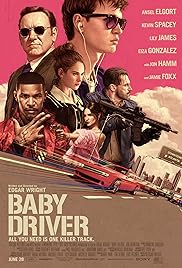
Image result for baby driver

Baby Driver

  • When you first enter the site, it starts with a landing page that shows a loading timer. As it loads, it displays that you can buy the DVD for Baby Driver on Blu-Ray and Digital. 
  • At the top of the website, you can sign up to their newsletter to receive the latest news about the film.
  • As you scroll down, it'll give you opportunities to win exclusive stuff from Baby Driver with amazing prizes.
  • Further down, there are just credits for the advertisement and the companies that are in either partnership or in credit for the film is listed below. They don't show any news, crew and cast for the film or any idea if you can watch it in the cinema. 
  • Lastly, you are able to follow them on Facebook, Twitter and Instagram social media sites.
Image result for IT film

IT the Film

  • As you enter the site, you land onto a landing page that takes you straight to the homepage of the website. This is where you will firstly find the trailer of the film IT.
  • Next, it is presented with a massive image of the film as the background with quotes from audience members that had watched the film in the past that are displayed at the top of the website.
  • The way that the site presents their images is by displaying them in rows of 2 from stills of the movie. They are placed on a black plain background so they are bold and stands out clear.
  • The videos used on the website are trailers, first look and teaser trailers to entice you to watch the film! 
  • They have a cinematic experience that viewers can experience just like they're in the film themselves, it gives an idea of what it is all about. What it includes is interactive videos that you can choose to do on different media sites like: YouTube 360, Facebook 360, Samsung VR, Littlstar and Jaunt. You will float around the town of IT... 
  • Lastly, they give you the option to follow them on Facebook, Twitter and Instagram where you can explore their pages and see what the latest news of the film is.


Image result for darkest hour

Darkest Hour

  • As you enter the website, you get taken to the homepage where it displays a wide moving shot of a clip taken from the film used as the background image.
  • It will then give you an advantage to buy their tickets to see the film on the 'buy now' section underneath the title on the homepage.
  • Next to that is something called synopsis. This is where it gives an explanation of what the film is all about and who the main people were to create this film and the history of it all.
  • They use still images from the film used on a plain black background so it stands out and to give a small idea of what the film looks like. 
  • You are able to watch the whole trailer of the film underneath the 'video' section.
  • Lastly, you are able to follow them on Facebook, Twitter and Google+ to follow the latest news on it all by also using the hashtag #DARKESTHOUR


Thursday, 9 November 2017

News Show Idea


News Show Idea


Our idea is to go along the lines of the shows that air on TV, like This Morning and too pick up ideas along the way to gain the most information as possible.

Tuesday, 7 November 2017

Researching TV Productions


Celebrity Big Brother


TO FINISH: WHY HAVE THEY DONE THIS? 

Set/location of the production: Elstree Studio.

Colour palette and tone used within the show: Bright vast colours decorated within the house.
Why have they done this? they have used bright and vast colours that is inside the set of the house, to create an eye-catching inside look and to make it look more attractive because if it was all dull and dark, it wouldn't look very appealing or exciting to look at during watching the show.

Hair and makeup: Most competitors wear studio makeup (even the boys) and the girls have different amounts of makeup on depending in what they prefer.
Why have they done this? they have done this because to make the contestants look more appealing and attractive towards the viewers. An example of this is when all the girls are dulled up, with full makeup on which would attract the boys to watch the show because they look "so attractive".

Clothes: They all bring their own clothes as they are staying in the CBB house for the amount of time they're living there for.
Why have they done this? they have done this to make their viewers make out that they are kept unto day to day trends with likeable clothing on and also could lead too how each person is portrayed and set up to be. What I mean by this is that they can have their own styles...

Presenters Performance: The presenters of the show are Emma Willis and Rylan Clark.
Why have they done this? the filming company will put in presenters that have a funny and laughable  personality to them so the viewers enjoy watching it as well as watching the celebrities inside the Big Brother house. 

Camera: There are all different camera angles during the filming of CBB from hidden cameras capturing the celebs, low shots, high view, neutral view and sometimes bird eye views.
Why have they done this? they have done this so it isn't just a current viewing of the same thing, this has been done also so they can view different shots during the programme.

Shot Types: There are extreme close ups, wide shot, medium close ups and extreme wide shot.
Why have they done this? they have done this so the shot type isn't just one whole shot. This can be filmed with all the different shot types so it looks different and this needs to as well as be changed as sometimes when they're doing a specific thing, they will need to zoom in.

Positioning: The competitors are all over the place, in the different rooms. Either in groups or individual talk when talking to Big Brother. The positioning then changes as the camera shots change.
Why have they done this? they have done this so it isn't just a current viewing and so it can show different shots via positioning of the celebrities when they're all over the place in the house (this can be when they're doing different activities)

Movement: Sometimes when the cameras move the people don't, when the people move the cameras don't but you may see that the cameras follow along with the movement of the people but you'll never see the people moving with the camera.
Why have they done this? they have done this so when they're filming it isn't just one still showing. 

Framing: The framing of the shot tries to fit in as much as they can or focus on the points that they are basing it on more. There is never a border around the framing shot because it is not needed.
Why have they done this? they have done this so the camera shot doesn't look too much into one image that is showing on the TV screen. If it was edited with a harsh colour that was used as a frame around the image of the screen, then it would be too much and would've been put there for no entire reason. 

Depth of Field: The shot of the depth of field in CBB has a huge focus on the closer object and is still viewable of the objects in the background too. Sometimes it shows a huge depth of field where all you can see is the closer object with blur in the background so the main focus is the thing nearer the camera.
Why have they done this? they have done this so it isn't just one constant showing, so this is why they have used the depth of field so it just has one whole main focus. 

Editing: There is quite a huge editing process in CBB with bad language cut out so the viewing of there programme can be shown during the day time and some things are acted for your viewing pleasure.
Why have they done this? they have done this so they can get loads more viewers onto their programme, which will create and produce the programme to become more popular and viewable - which will also lead too it having sharing trends on social media and other platforms. 

Pace: The pace of the programme can either speed up during the tension of the room and the situation that it is involved in and it can also slow down during what they're doing.
Why have they done this? they have done this so the programme doesn't drag too much as if this does happen, it can get very boring for the watcher of the programme. So, this is why it has been used so it can make a break up between the programme.

Transitions: The transition of the programme can change quite rapidly from either when they're going to bed, eating or doing challenges as a team.
Why have they done this? they have done this so the programme doesn't get too boring and so it has different viewings and activities each episode. 
Continuity/editing matches (Eyeline matches?) The programme uses a lot of editing matches and collide it into one that would divide two shots by making some form of connection between them.

Shot Duration: The duration of the shot can have a different length depending on what the camera is filming. For example: having an argument with the fellow person, which should have a duration of around 1-2mins depending on what they're doing. 


Show's Structure

Start
Introduction - 17 seconds

Camera 1 - 21 seconds 
Camera 2 - 13 seconds
Carries on for another 45 mins...

End
Studio companies credit - 4 seconds

Thursday, 2 November 2017

Creating An Interview


Creating An Interview

  • Give enough time to shoot
  • Choose best place to film - picking location!!
  • Make them feel comfortable
  • The interviewer cannot look at the camera as the audience will find it unexpected and not a normal thing to do when interviewing and the questions being asked as it can distract the listener
  • Make full eye contact 
  • Listen to the person you're interviewing
  • Don't interrupt them and talk over them
  • Think about what's in the background as it can also cause a distraction if too much is going on
  • Take the interview in a quiet place

180' Rule

If you cross that line of the 180' Rule, you will confuse your audience - the line that goes between them. The 180° rule is a cinematography guideline that states that two characters in a scene should maintain the same left/right relationship to one another. When the camera passes over the invisible axis connecting the two subjects, it is called crossing the line and the shot becomes what is called a reverse angle.


Framing

Framing, is where you use the Rule Of Thirds in your filming and then focus on each individual section. It also expands on the research by focusing on the essence of the issues at hand rather than on a particular topic. However, the concept of framing is related to the agenda-setting tradition but expands the research by focusing on the essence of the issues at hand rather than on a particular topic. The basis of framing theory is that the media focuses attention on certain events and then places them within a field of meaning.


Tuesday, 31 October 2017

Job Roles in the Media


Creative Skill Set

Cameraman:

Industries: Photo imaging
Personality Type: Creative
Departments: Photographers

  • Producing images for government departments (e.g. the Ministry of Defence), large commercial corporations, universities, museums or research agencies
  • Working across a wide variety of photographic disciplines and styles

Sound Operator:

Industries: Film
Personality: Communicator
Departments: Distribution/Marketing/Publicity and Stills

  • Producing interviews and behind the scenes footage for press kits
  • Producing documentaries about the making of the film
  • Producing extras for DVD release

Gaffer TV:

Industries: TV
Personality: Scientist 
Departments: Lighting

  • Being responsible for all the practical aspects of lighting sets and locations

Sound Assistant TV:

Industries: TV
Personality: Engineer
Departments: Sound

  • Helping record the best quality sound in studios or on locations, working closely with Sound Supervisors and Boom Operators

Art Director

Industries: Film | TV 
Personality: Creative
Departments: Art Department

  • Realising the Production Designer's creative vision for all the sets and locations that give productions their look and feel
  • Project managing the work of the art department
  • Also undertaking the role of Production Designer on smaller TV productions

Script Editor

Industries: Film
Personality: Communicator 
Departments: Development | Script

  • Providing a critical overview of the screenwriting process  
  • Liaising between the Producer or Development Executive and the Screenwriter
  • Helping to strengthen and develop screenplays 

Cast Director

Industries: Film 
Personality: Organiser
Departments: Casting

  • Organising the casting (selecting) of Actors for all roles in a film
  • Arranging and conducting interviews and auditions with artists as well as negotiating fees and contracts for the Actors who get the part
  • Working with the Director and Producer to understand their requirement.

Art Director
What the role is: this role is where you arrange and sort out the locations and sets of the productions.
Where the role fits in within the film and television industry: the role fits in with the film and television industry because it undertakes the role of Production Designer on smaller TV productions.
Responsibilities of the role: this role includes responsibilities to look after the set and location of the production, making sure that it is the right setting and good for filming. 
Career pathways leading to and from the role: to make this successful, you would be expected to be a graduate in either art, architecture, theatre, interior or 3D design courses. 

Radio Broadcast Assistant
What the role is: this role is where you give assistant to presenters and producers and giving them the extra help during productions.
Where the role fits in within the film and television industry: this role fits in within the film and television industry because you come into the same category as the director of the radio broadcaster in ensuring that they're running smoothly on radio programmes.
Responsibilities of the role: this role includes responsibilities in helping with research, planning and production.
Career pathways leading to and from the role: to make this successful, you would be expected to have a degree somewhere in this role and the best route into this career path, is to gain full experience either from a long period of time or voluntary work in a radio station.

Radio Presenter
What the role is: this role is where you are the voice of a radio station or programme.
Where the role fits in within the film and television industry: the role fits in with the film and television industry because you're engaging a relationship with the listeners, this can be from listening to the radio or watching them via the TV.
Responsibilities of the role: this role includes responsibilities to have a huge like base within the listeners and to generate original ideas so the listeners don't find it boring.
Career pathways leading to and from the role: in entering this role, you wouldn't be expected to have a degree to be a radio presenter. 

Radio Reporter
What the role is: this role is where you are the communicator for the latest gossip, breaking news, and sport related topics.
Where the role fits in within the film and television industry: the role fits in within the film and television industry because you're identifying and researching news stories and presenting them on air or LIVE on television.
Responsibilities of the role: this role includes responsibilities to create good news stories and to report live events as they unfold.
Career pathways leading to and from the role: to make this successful, you wouldn't be expected to have a degree to be a Radio Presenter.


Creative Director (Games)
What the role is: this role is where you have the overall decision in how the look and feel of a computer game is and how it is portrayed.
Where the role fits in within the film and television industry: this role fits in within the film and television industry because the jobs that it involves with, links to what it is being asked for in the film and television industry. This can range from the same equipment/resources being used and by working in a studio environment.
Responsibilities of the role: this role includes responsibilities like in making tough decisions and choices in the work and final product given.
Career pathways leading to and from the role: in becoming an creative director, you do not need a formal qualification to become a creative director. However, to become successful in the role, you will need to require a combination of experience that'll inspire to others that is also looking at becoming a creative director in this role.

Radio Programme Controller
What the role is: this role consists of leading programming teams on commercial radio stations, ensuring that they're meeting the correct guidelines for the station.
Where the role fits in within the film and television industry: this role fits in within the film and television industry because they need knowledge of the radio market, different station and programme styles, and audience demographics which also is in need in film and television.
Responsibilities of the role: this role includes responsibilities to take care in coaching and to develop talent in others, having responsibility in data handing and to be able to manage creative teams, and encourage acceptable risk-taking.
Career pathways leading to and from the role: in becoming a radio programme controller, you will not be in at need in having a degree in it. However, you could gain the required management skills and experience on other jobs in the past.

Actor
What the role is: this role consists of interpreting others' words in order to bring a script to life, and by reading what it states written onto the script.
Where the role fits in within the film and television industry: this role fits in within the film and television industry because actors are found in films and on your televisions. It also consists of being around cameras, lighting and many other media typed roles that link to this industry.
Responsibilities of the role: this role includes responsibilities in learning your chosen script, staying in role, deliver lines at a specific pace and to have a responsibility of yourself, especially with objects and safety hazards around you (wires, cables...)
Career pathways leading to and from the role: you will almost certainly need to train to become a professional actor. This can start from in beginning to go to drama/stage school where you would learn in becoming an actor and to be lead into the correct direction.

Director (TV)
What the role is: to bring ideas into finished programmes.
Where the role fits in within the film and television industry: this role fits in within the film and television industry because you're the manager of everyone/everything. You will direct people and the productions to make it as successful as possible - this is also managing everyone in both film and television roles within productions.
Responsibilities of the role: this role includes responsibilities in looking after the sound of the production and its technical standards just in case something goes wrong.
Career pathways leading to and from the role: you won't need a specific qualification in becoming a director in television. But, by having a degree in a media-related, drama or specialist subject, it may give you a good grounding of where you need to place yourself to follow the correct route in becoming a TV director.

Lighting Director
What the role is: their job is to use the script or brief from the production team to design a specific look that is required for each shot being taken - they also set the mood/atmosphere and changing the picture to fit in and link to the main topic chosen.
Where the role fits in within the film and television industry: this role fits in within the film and television industry because during film and television, you will use a lighting director to change the scene using the lights and also working in the same environment/area as the other typed media job roles that link to film and television.
Responsibilities of the role: this role includes responsibilities in making sure that you and the people around you are 1. in a safe area and 2. making it safe, plan ahead so everything is set out beforehand and to make sure you have given and paid enough attention.
Career pathways leading to and from the role: you won't need a qualification in becoming a lighting director, but you will be expected to have a number of training courses and to be the best of the best in the lighting role of media you will however need to work your way up the line.

Technical Support Engineer
What the role is: their job is to provide various information, advice and technical support to clients about problems with photographic equipment and techniques in helping them out.
Where the role fits in within the film and television industry: this role fits in within the film and television industry because in the film and television industry, they use different variety of equipment and objects that is taking part for the productions, so when these problems and issues come about, this engineer then helps and corrects the problems so they can use it again. In this industry, they need someone that is able to fix equipment that is very technical as things like this can break easily.
Responsibilities of the role: this role includes responsibilities in making sure these broken equipment get's fixed in time for the next occasion that it needs to be used for and to be extra careful with it too - as it can be very dangerous, through fires and breakages.
Career pathways leading to and from the role: most employers specify the need for an electronics qualification, in City & Guilds, BTEC.... However, training is expected to take place as it isn't a job where you would just walk into it straight away, this is because from the equipment that you will be working with within the industry.

Lighting Technician
What the role is: their job is to help set up the lighting during sets and productions and helping with the power supply on filming.
Where the role fits in within the film and television industry: this role fits in within the film and television industry, because they work with the lighting on set of many productions during filming.
Responsibilities of the role: this role includes responsibilities in looking after lighting equipment on a film set, or on location.
Career pathways leading to and from the role: in becoming a lighting technician, you are expected to have a relevant vocational City and Guilds qualification.

Genny Operator
What the role is: their job is to operate electricity generators on location and transporting these generators to the right location set before and after production filming.
Where the role fits in within film and television industry: this role fits in within the film and television industry, because you're maintaining the generators onto the locations for film.
Responsibilities of the role: this role includes operating with electricity generators on location and your responsibility is to also have mental awareness for the safety of you and others.
Career pathways leading to and from the role: in becoming an Genny Operator, you've got to be over 21 years of age for insurance purposes, be willing to work long hours, to be a fully qualified electrician and to get additional training to learn about manufacturing and fault-finding in different models/generators.

Gaffer (Film)
What the role is: their role is to run all of the electrical work on a production and to work closely with the Director of Photography.
Where the role fits in within film and television industry: this role fits in within the film and television industry through working with the main Director of Photography, it's part of the film industry throughout the equipment that it uses to help maintain things and as well as working with lighting for the film productions.
Responsibilities of the role: this role consists of responsibilities like leading a team of lighting technicians and to mainly keep the budget of lighting under control and maintained carefully.
Career pathways leading to and from the role: in becoming a Gaffer in film, you would be expected to be a fully qualified electrician with the relevant vocational qualifications and you maybe expected to get additional qualifications as you process yourself throughout your career in film.

Apprentice Lighting Technician 
What the role is: their role is to work for a specialist lighting company, and learning on the job of how different departments work throughout the industry.
Where the role fits in within film and television industry: this role fits in within the film and television industry through working with the lighting resources for the television and film productions.
Responsibilities of the role: this role consists of responsibilities to attend college courses during training.
Career pathways leading to and from the role: in becoming an apprentice lighting technician, you are expected to have at least a Level 2 qualification in Maths, English and IT. Futhermore, the best route towards this role is to apply for an apprenticeship with a Lighting company, which in fact you would work for 3 years to get your qualifications and complete your apprenticeship by the time you are 21.


Makeup used within the era (1960's - 1990's)

1960’s Dramatic black and white eyes Pastel colours False lashes 1970’s Retro smoky eyes Skinny brows 1980’s ...